Flow Development Day 2026: Investing in the People Behind the Practice
Practice
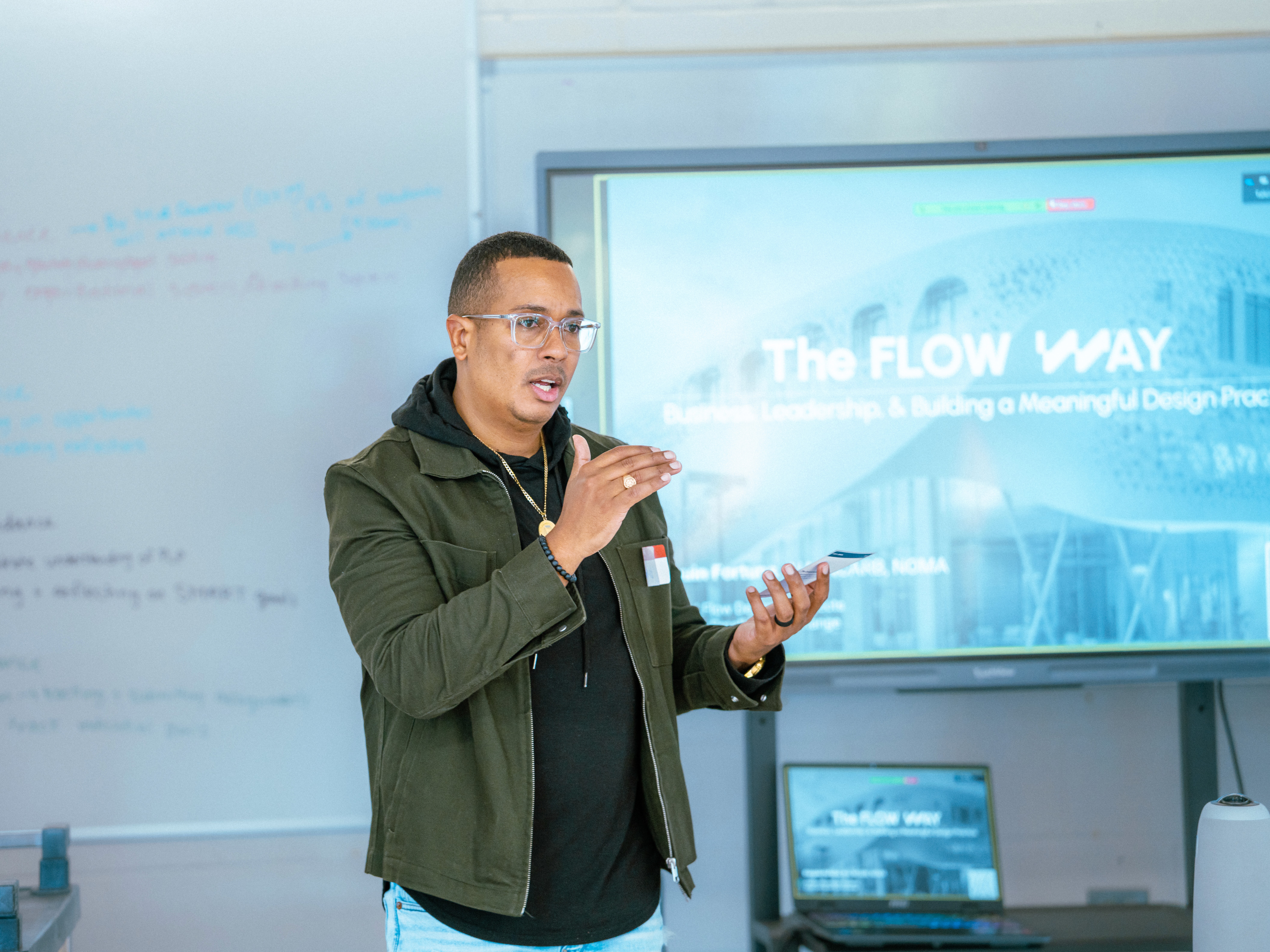
On September 24, Flow stepped away from project production to invest a full day in our people and our practice, with guest architects, former team members and a longtime client.
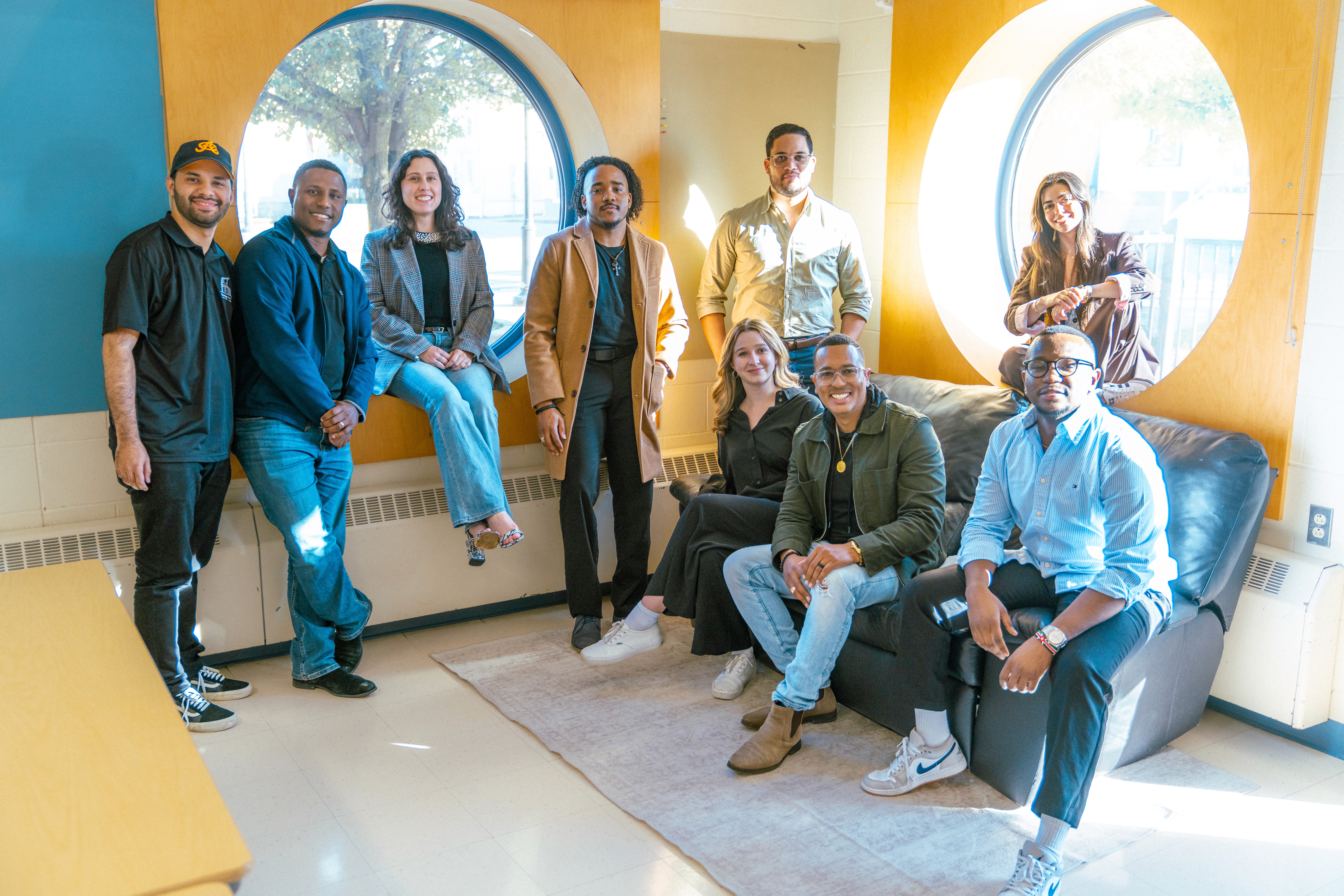
Great architecture doesn't happen by accident. Neither does a great practice.
On September 24, Flow Design Architects stepped away from our regular project production for something we believe is equally important: investing an entire day in the continued development of our people and our practice.
Flow Development Day 2026 brought our team together with respected architects, former Flow team members, industry colleagues and a longtime client and collaborator for a day centered on design, technical knowledge, professional growth, client service and the systems that carry a project from its earliest conversation through construction.
For us, professional development is not separate from practice. It is part of the practice.
From Design Thinking to Building Knowledge
The day moved intentionally between the creative and technical sides of architecture.
Bart Shaw, FAIA, joined us for a conversation about design centered on conceptual clarity, craft and the importance of finding the “big idea” behind a project. His message reinforced something deeply aligned with the way we want to practice at Flow: meaningful design begins by listening.
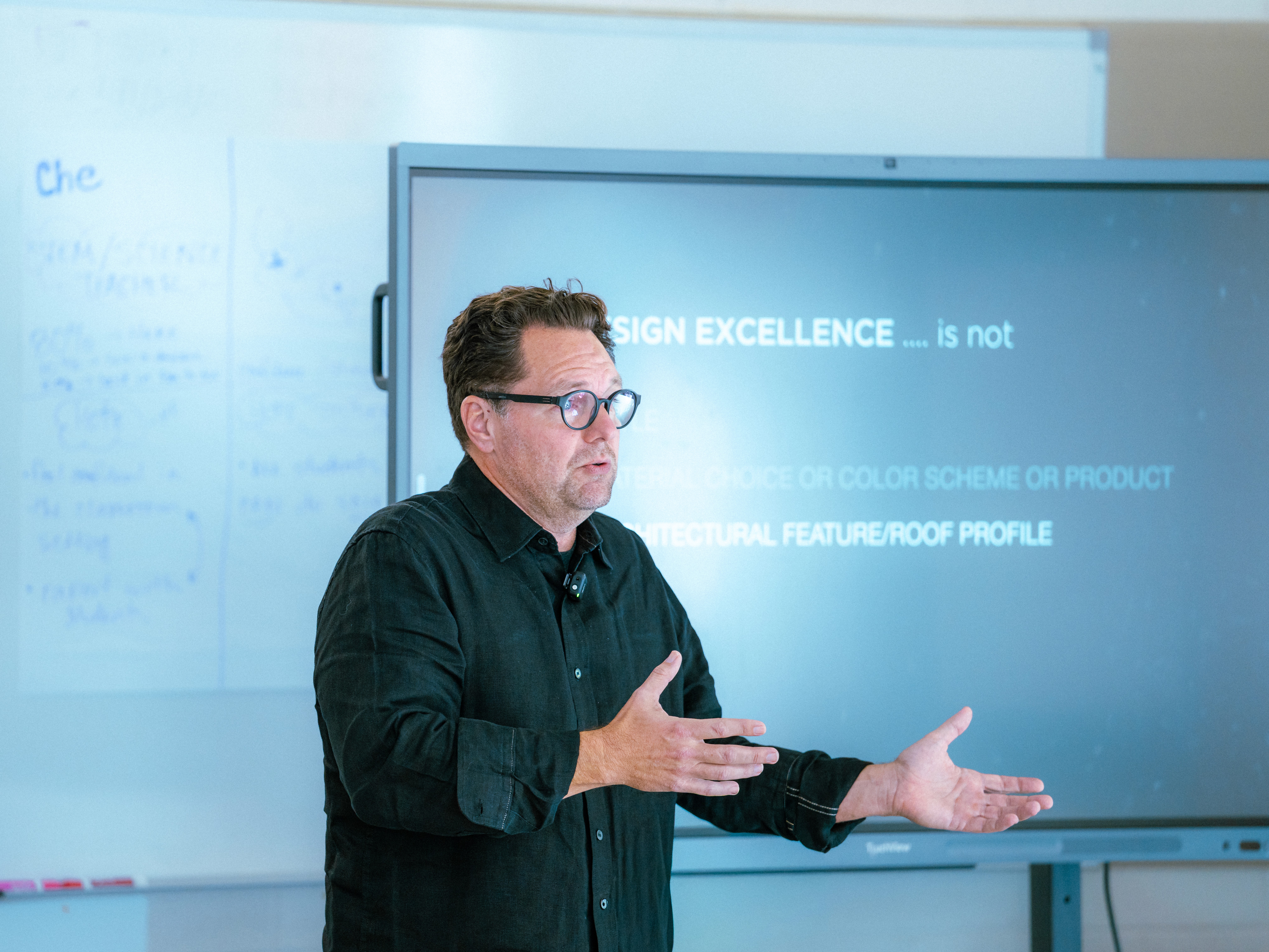
Understanding a client's aspirations, the site, the constraints, the budget and the experience we are trying to create gives architecture its foundation. From there, the architect's responsibility is to remain curious, rigorous and flexible enough to carry that idea through the realities of making a building.
Our own team also led technical learning sessions examining permitting, project coordination, windows, framing and the relationship between design decisions and the systems that ultimately make buildings work.
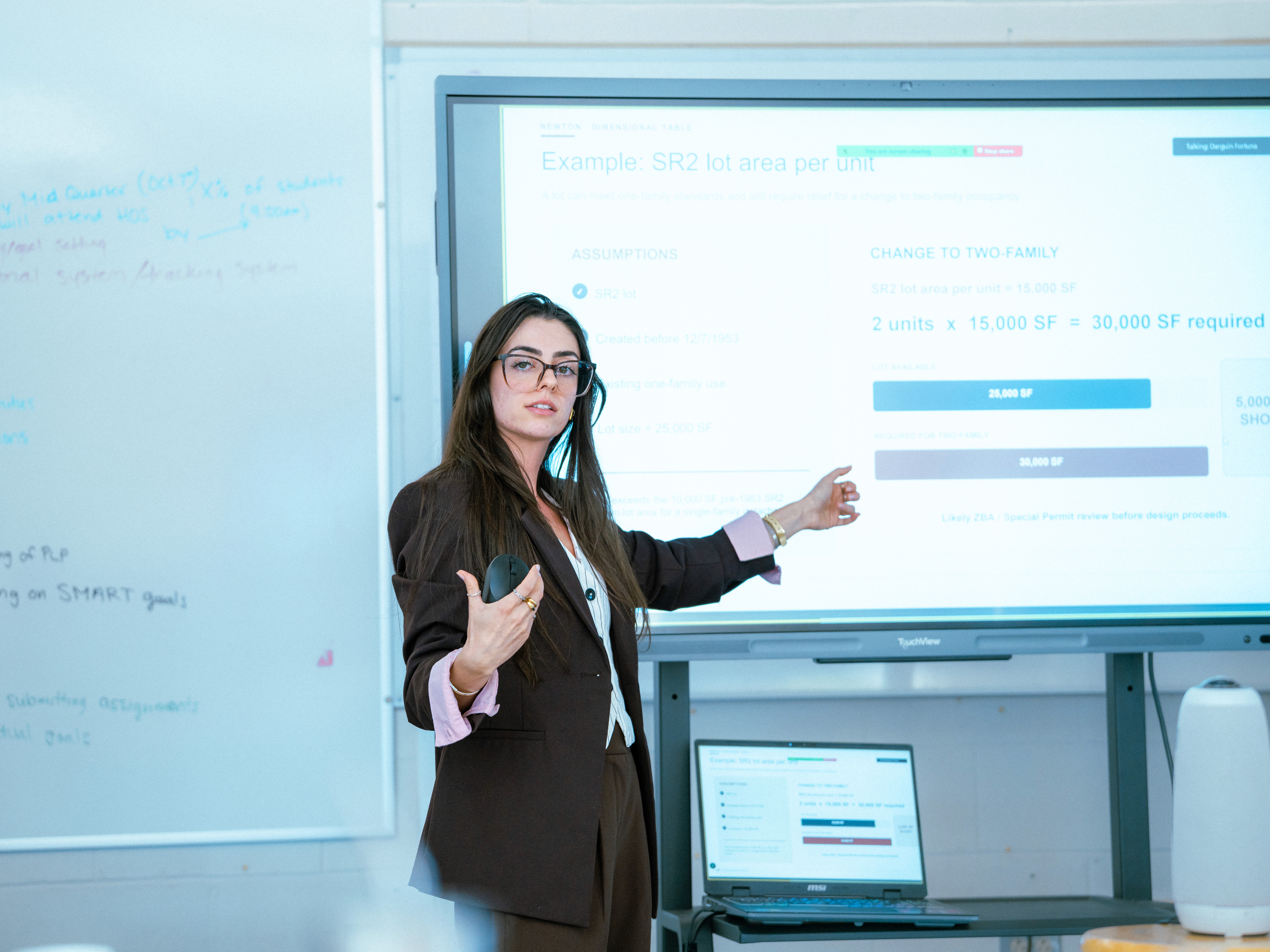
Because good design is not only about what something looks like.
It is about understanding how it stands, how it is built, how it performs, how it is approved and how all of those decisions come together.
Learning How to Think, Not Just What to Do
One of the most important parts of the day was a new exercise developed specifically for Flow: a collection of real-world architectural scenarios covering the full life of a project—from the first client conversation through existing conditions, design, documentation, permitting and construction.
Teams were given situations without knowing the “right” answer in advance and asked a simple question:
What would you do?

That question matters.
Architecture rarely presents itself as a perfectly organized checklist. Clients change their minds. Existing conditions reveal surprises. Budgets shift. Municipalities ask questions. Contractors encounter conditions in the field. Architects have to evaluate information, communicate clearly, exercise judgment and understand when to act—and when to stop and ask another question.
Developing that judgment is one of the most important investments we can make in an emerging professional.
Growth Requires Consistency
Architect and longtime colleague Arlen Stawasz joined the team for a conversation about professional growth, opportunity and consistency.
One idea resonated throughout the room: showing up matters.
Exposure becomes experience. Experience develops skill. Skill creates value.
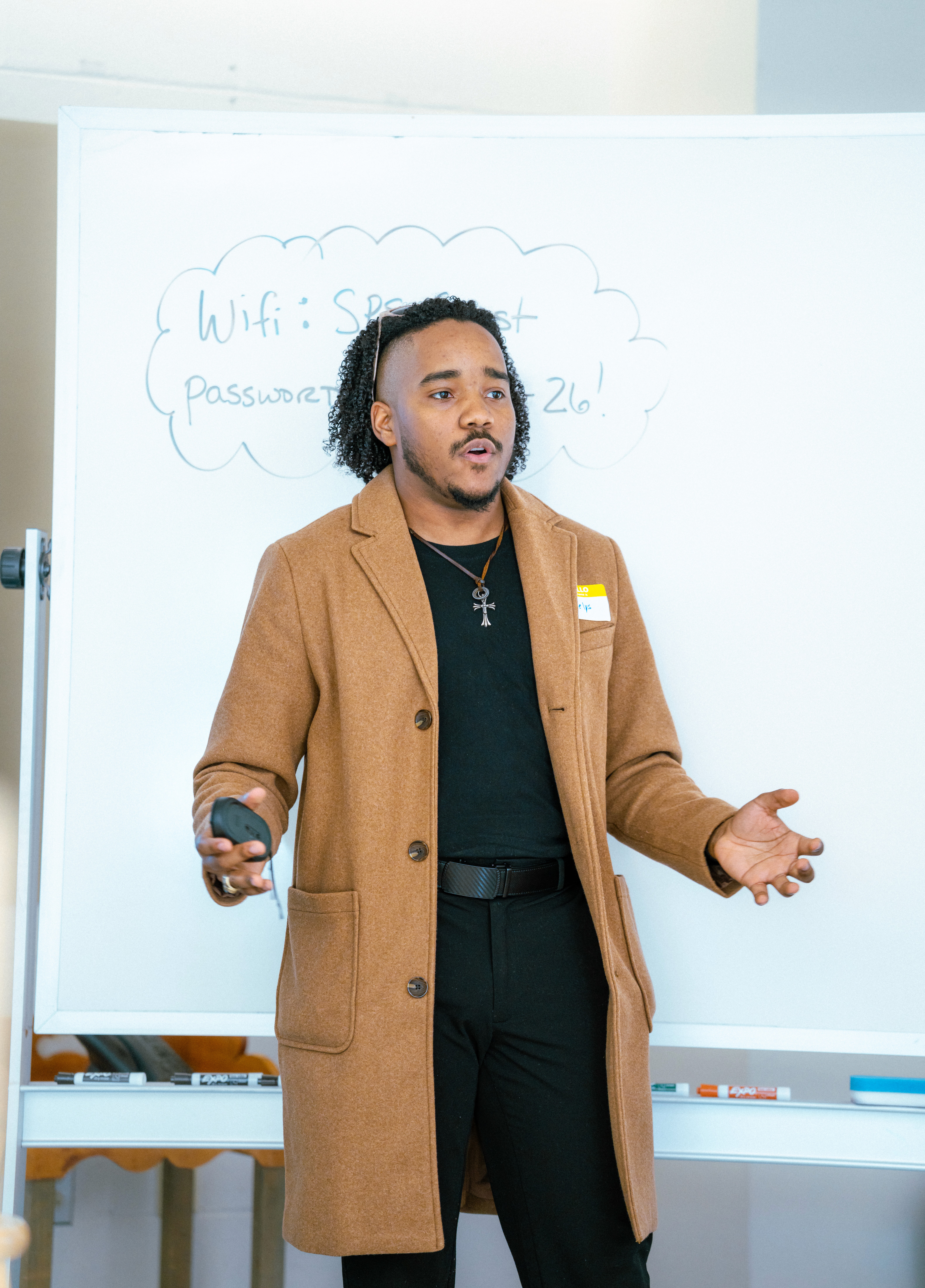
Careers are rarely built through one extraordinary moment. More often, they are built through hundreds of ordinary moments in which someone chooses to remain curious, take responsibility, ask another question, learn something new and continue improving.
That is the kind of growth we want to cultivate at Flow.
Listening Beyond Our Own Walls
We also invited former members of the Flow team back for a candid conversation about what they learned here, what they encountered after leaving, what prepared them well and what they believe we can continue strengthening.
Their perspectives were invaluable.
As a growing practice, we believe there is enormous value in maintaining relationships with the people who have contributed to Flow's story. Seeing former team members advance in their careers, earn licensure, explore new areas of the profession and even establish practices of their own is something worth celebrating.
And listening to them helps us become better.
The day also included a conversation from the client perspective. Cynthia of Ninos Real Estate, a longtime Flow client and referral partner, spoke with our team about trust, communication, long-term thinking and what it means for an architect to become more than a service provider—to become a partner in helping a client see what may be possible.
That perspective was an important reminder that every drawing ultimately represents a relationship.
Building the Practice We Want to Become
Flow Development Day was not about having all the answers.
It was about building a culture that keeps asking better questions.
How can we communicate more clearly?
How can we coordinate more intelligently?
How can we design more thoughtfully?
How can we understand construction more deeply?
How can we serve our clients better?
How can we help the next person become more capable than they were yesterday?
Those questions matter because our ambitions for Flow extend beyond the projects currently on our desks.
We are building a practice.
And building a great practice requires the same things we ask of great architecture: clarity, intention, discipline, curiosity, collaboration and constant refinement.
We are proud of the work our team produces. We are equally proud to invest in the people producing it.
This was our first Flow Development Day. It will not be our last.
Structure first. Design second. Lead always.
— Flow Design Architects